
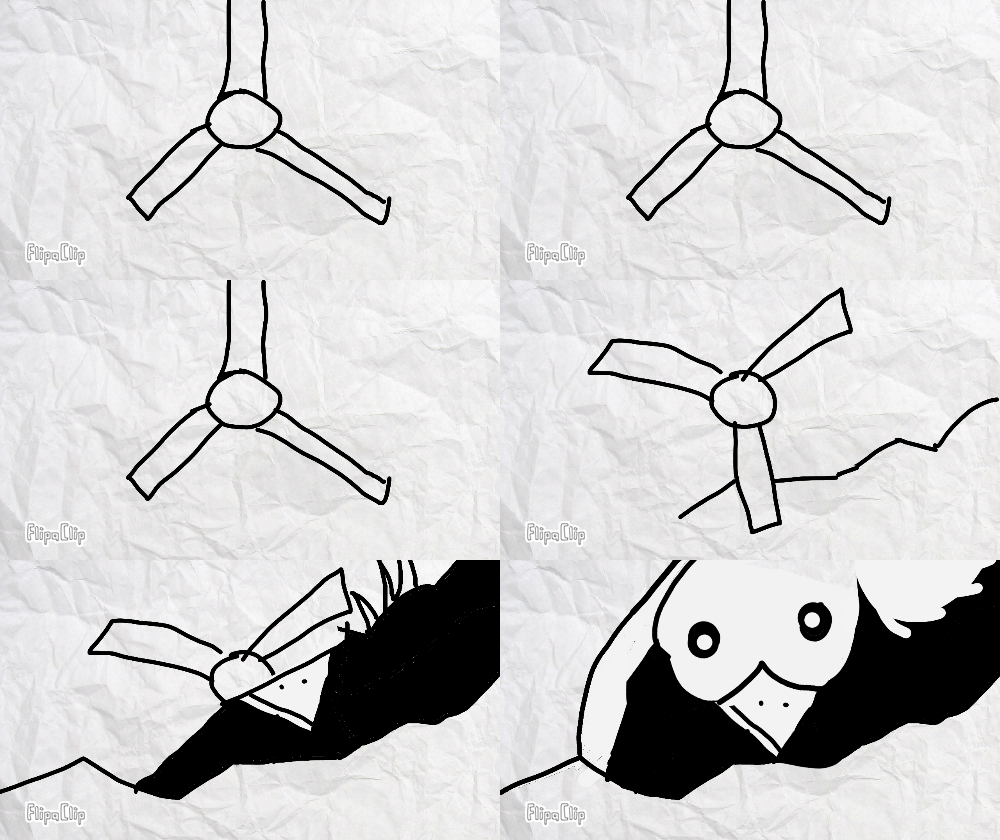
This childhood fear story began at the dinner table. When I refused food, my mother would summon an imaginary big bird: a creature large enough to tear through the roof and carry away a child who went to sleep hungry. It was meant as a threat that would make me eat. To me, it became a very real picture.
A Childhood Fear Story About the Big Bird
Growing up, I learned about fear through small warnings and grand inventions. A lion might appear if I did not finish a meal. Something unseen might be waiting in a dark room. The big bird was the most vivid of them all because it came with a shape, a roof and the possibility of being caught alone.
My mother would say:
Do not go to sleep on an empty stomach or a big bird will come and take you away.
I could not stop building the creature in my head. How would it enter the house? How large would it have to be? What would it look like when it arrived? I asked those questions aloud, then lay awake trying to answer them for myself.
How would the bird come in here? If it’s a big, big bird, how big are we talking about? What would it look like?
Waiting for the Bird
When I was hungry, I watched for it. I imagined the roof giving way, feathers filling the room and the bird finding me before anyone else could help. Even when I did eat, the threat did not disappear immediately. It had already found a place in my imagination.
What a cruelly effective thing to tell a child. It made me finish meals, but it also made an ordinary night feel watched. I would wake and check myself, half-convinced the bird might have taken its share while I slept.
How Childhood Fears Take Shape
I am not offering this memory as a theory of fear. I only know how quickly a repeated warning can acquire claws in a child’s mind. The Seattle Children’s overview of nighttime fears notes that young children commonly fear monsters and danger after dark. That context explains why the imagined bird felt possible to me; it does not turn this personal memory into a diagnosis.
Fear can protect us, warn us and keep us from foolishness. But it can also be used carelessly. In my case, it made dinner into a tiny horror story that stayed with me longer than the meal itself.
For another memory shaped by a frightening image, read Sleep Nightmares: When a Shirt Moved. Both stories begin with an ordinary thing and let imagination make it strange.